


Introduction: Salesforce Admins Face in 2025
Salesforce continues to dominate the CRM market, empowering businesses with cutting-edge cloud solutions. However, as the platform evolves, Salesforce administrators face new challenges in keeping up with technological advancements, security threats, and organisational demands.
In 2025, Salesforce admins must navigate an increasingly complex ecosystem, balancing automation, AI integration, data governance, and user adoption. This blog explores the top seven challenges Salesforce admins will encounter in 2025 and provides actionable insights to overcome them.
Table of Contents
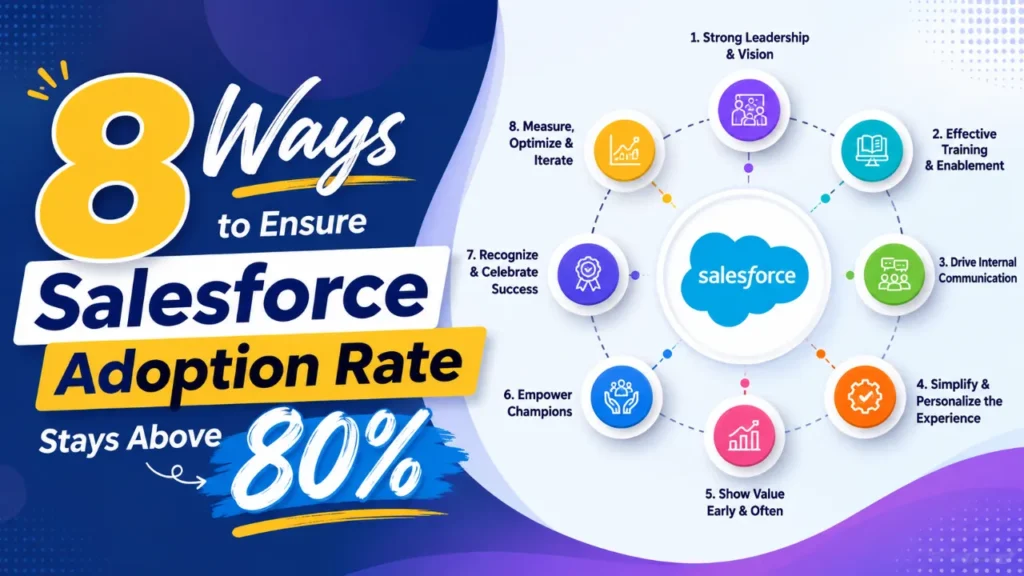
Introduction: Salesforce Admins Face in 20251. Keeping Up with Rapid Salesforce Updates2. Data Security & Compliance Risks3. Managing AI & Automation Complexity4. Poor User Adoption & Change Management5. Integration & Data Silos6. Performance Optimization & Scaling Issues7. Career Growth & Skill DiversificationMy Takeaway:
1. Keeping Up with Rapid Salesforce Updates
The Challenge
Salesforce releases three major updates per year (winter, spring, and summer), along with continuous feature rollouts. Staying updated with these changes is overwhelming, especially for admins managing multiple orgs.
Key Pain Points
Feature Overload: New tools like Einstein AI, Hyperforce, and Genie require continuous learning.
Deprecation of Legacy Features: Older functionalities (e.g., Classic UI and Workflow Rules) are being phased out, forcing admins to migrate to Lightning and Flow.
Testing & Deployment Risks: Updates can break existing processes, requiring rigorous sandbox testing.
Solutions
Salesforce Release Notes & TrailheadStay ahead with official resources.
Join Admin CommunitiesEngage in the Salesforce Trailblazer Community and user groups.
Schedule Regular TrainingDedicate time quarterly to learn new features.
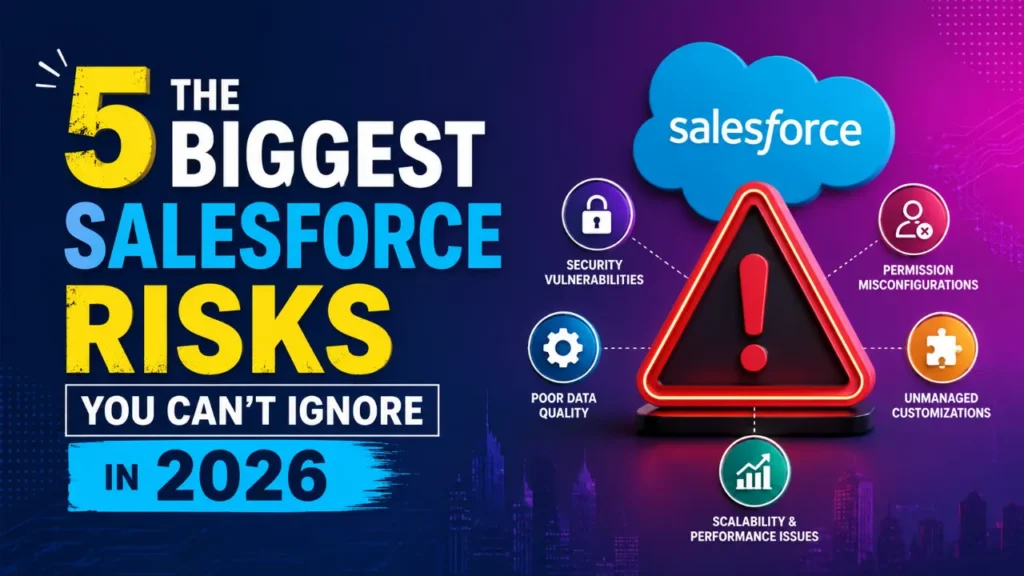
2. Data Security & Compliance Risks
The Challenge
With increasing cyber threats and stricter regulations (GDPR and CCPA), ensuring data security is a top priority. Admins must manage access controls, encryption, and compliance audits.
Key Pain Points
Rising Cyber ThreatsPhishing, ransomware, and insider threats target Salesforce data.
Complex Permission ModelsManaging profiles, permission sets, and sharing rules at scale is error-prone.
Audit & Compliance Pressures: Organisations face fines for non-compliance with data laws.
Solutions
Implement Least Privilege AccessRestrict permissions based on roles.
Use Shield EncryptionProtect sensitive data (PII, financial records).
Regular Security Health ChecksRun the Salesforce Security Scanner and monitor login attempts.
3. Managing AI & Automation Complexity
The Challenge
Salesforce is pushing AI-driven automation (Einstein GPT, predictive analytics), but admins struggle to implement these tools effectively.
Key Pain Points
Over-reliance on AI Without StrategyPoorly configured AI can generate inaccurate insights.
Balancing Automation & Human OversightOver-automation can frustrate users.
Skill Gaps in AI AdministrationMany admins lack expertise in machine learning models.
Solutions
Start Small with AIUse Einstein Lead Scoring before diving into advanced AI.
Train teams on AI best practicesleverage Trailhead’s AI modules.
Monitor AI OutputsRegularly audit AI predictions for bias/errors.
4. Poor User Adoption & Change Management
The Challenge
Even the best Salesforce setup fails if users resist change. Low adoption leads to wasted licenses and inefficiencies.
Key Pain Points
Resistance to New FeaturesEmployees stick to old habits.
Lack of TrainingEnd-users don’t understand new workflows.
Inconsistent EngagementWithout leadership buy-in, adoption stalls.
Solutions
Gamify TrainingUse badges, rewards, and certifications to motivate users.
Appoint Salesforce ChampionsIdentify power users to drive adoption.
Collect Feedback & IterateAdjust configurations based on user pain points.
5. Integration & Data Silos
The Challenge
Businesses use multiple SaaS tools (ERP, marketing automation, CPQ), leading to disconnected data.
Key Pain Points
Complex API LimitationsReal-time syncs fail due to governor limits.
Data Duplication & ErrorsManual imports lead to inaccuracies.
Costly Middleware SolutionsMuleSoft is powerful but expensive.
Solutions
Use Native IntegrationsSalesforce Connect, out-of-the-box connectors.
Leverage iPaaS tools like Zapier and Workato for affordable automation.
Implement Data Governance Policies: Standardise data entry rules.
6. Performance Optimization & Scaling Issues
The Challenge
As organizations grow, performance degrades due to slow reports, bulky workflows, and storage bloat.
Key Pain Points
Long Report Load TimesComplex queries strain the system.
Ineffici: Too many Process Builders and Flows slow downs & Flows slow execution.
Storage Costs SpikeUnused files and redundant data increase expenses.
Solutions
Optimize SOQL QueriesUse SELECTIVE filters to reduce load.
Archive Old DataMove historical records to Big Objects or external storage.
Audit Automation RulesReplace redundant processes with Flow Orchestrator.
7. Career Growth & Skill Diversification
The Challenge
With AI, CPQ, and development skills in demand, admins must upskill or risk becoming obsolete.
Key Pain Points
Competition from DevelopersMore companies seek admin-developer hybrids.
Certification FatigueKeeping certs updated (e.g., Advanced Admin, Platform App Builder) is time-consuming.
Pressure to Specialise: Should you focus on Marketing Cloud, Revenue Cloud, or DevOps?
Solutions
Pursue Advanced CertificationsSalesforce Architect path for long-term growth.
Learn Basics of Apex & LWCEven minimal coding knowledge boosts value.
Explore Emerging CloudsSlack, Tableau, and Data Cloud are high-demand skills.
Salesforce admins in 2025 must be adaptable, security-conscious, and proactive in learning. By addressing these seven challenges – staying updated, securing data, managing AI, driving adoption, integrating systems, optimizing performance, and upskilling admins – they can future-proof their careers and maximise Salesforce’s potential.
Part of the team turning Salesforce and AI strategy into shipped, measurable outcomes for enterprises across five regions.