
Introduction
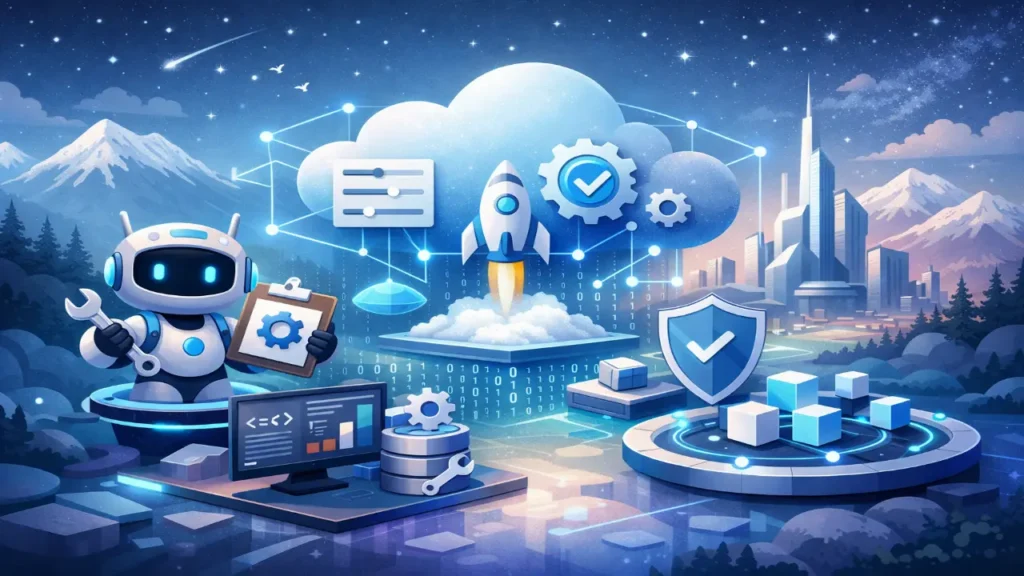
The Salesforce Platform Developer Certification is one of the most valuable credentials for professionals building applications on the Salesforce Platform. It validates your ability to design, develop, test, and deploy custom solutions using Apex, Lightning Web Components (LWC), Visualforce, and Salesforce’s declarative tools. However, earning the certification is not a one-time achievement. Salesforce follows a release-driven ecosystem, and to ensure certified professionals stay current with the latest features, best practices, and security updates, Salesforce requires certification maintenance for every major release cycle.
The Winter ’26 Platform Developer Certification Maintenance is a mandatory step for all Salesforce Platform Developer I and II-certified professionals. This maintenance ensures that developers understand new platform capabilities, changes in APIs, security enhancements, performance improvements, and evolving development standards.
In this blog, we will explore what certification maintenance means, why it matters, what to expect in the winter ’26 release, how to complete the maintenance effectively, and tips to stay certified without stress.
Table of Contents
What Is Platform Developer Certification Maintenance?Why Winter ’26 Maintenance Is ImportantKey Focus Areas in Platform Developer Maintenance (Winter ’26)How to Complete Platform Developer Maintenance (Winter ’26)Common Mistakes to Avoid Tips to Prepare for Winter 26 Maintenance SuccessfullyCareer Impact of Maintaining Your Platform Developer CertificationKey Takeaway:
What Is Platform Developer Certification Maintenance?
Certification maintenance is Salesforce’s way of ensuring that certified professionals remain up to date with the rapidly evolving Salesforce platform. Instead of retaking the full certification exam, Salesforce requires certified individuals to complete short maintenance modules or assessments aligned with each major release, Spring, Summer, and Winter.
For platform developers, these maintenance requirements typically include the following:
Reviewing new development features and enhancements
Understanding updates to Apex, LWC, APIs, and security
Completing Trailhead modules or maintenance exams
Passing a short assessment within a given deadline
Failing to complete the maintenance within the specified timeframe can result in your certification being placed in an expired or inactive state, which can impact your professional credibility.
Why Winter ’26 Maintenance Is Important
The Salesforce ecosystem evolves at an incredible pace. Each release introduces new tools, deprecates older features, and improves platform performance and security. The Winter ’26 release continues this tradition with updates that directly affect how developers design and build solutions.
Completing Winter ’26 maintenance is important because the following:
Staying Technically Relevant – Employers and clients expect certified developers to know the latest Salesforce features and best practices.
Protecting Certification Status – Maintenance is mandatory to keep your Platform Developer certification active.
Improving Code Quality and Security – New release updates often include security patches and performance optimisations.
Career Growth – Active certifications enhance your resume, especially for global opportunities, remote roles, and consulting projects.
While Salesforce releases official maintenance modules closer to the deadline, Platform Developer maintenance generally focuses on a few recurring themes. For Winter ’26, developers can expect emphasis on the following areas:
1. Apex Enhancements and Best Practices
Salesforce continues to optimize Apex performance and introduce new language features. Winter ’26 may include the following:
Improved governor limit handling
Enhanced error handling and debugging tools
Updates to asynchronous processing (Queueable, Batch, and Future methods)
Developers are expected to understand how these changes affect existing code and how to write more efficient, scalable Apex.
2. Lightning Web Components (LWC) Updates
LWC remains the future of Salesforce UI development. Maintenance content often covers the following:
New base components or updates to existing ones
Performance improvements in rendering and data binding
Best practices for accessibility and user experience
Winter ’26 may also highlight tighter integration between LWC and Salesforce data APIs.
3. Security and Compliance Updates
Security is a critical aspect of Salesforce development. Maintenance frequently includes:
Updates to permission models and sharing rules
Secure coding practices
Changes in authentication, OAuth flows, or session security
Understanding these updates helps developers build secure applications that comply with enterprise standards.
4. API and Integration Changes
Salesforce continuously evolves its APIs. Winter ’26 maintenance may cover the following:
New REST or GraphQL API capabilities
Deprecation notices for older APIs
Best practices for external system integrations
Developers must stay aware of these changes to avoid breaking integrations.
5. DevOps and Deployment Enhancements
Modern Salesforce development relies heavily on DevOps practices. Maintenance content often includes the following:
Updates to Salesforce CLI
Improvements in source-driven development
CI/CD best practices
These updates help teams deliver features faster and with fewer errors.
Salesforce makes the maintenance process straightforward and accessible through Trailhead. Here’s a step-by-step overview:
Log in to Trailhead – Use the same account associated with your Salesforce certification.
Navigate to Maintenance Modules – Salesforce publishes release-specific maintenance modules for each certification.
Review Learning Content – Read the release highlights, watch videos, and explore documentation links.
Complete the Assessment – Answer multiple-choice questions based on the content.
Please ensure you complete this before the maintenance deadline to keep your certification active.
The maintenance assessments are typically not difficult, but they require careful reading and understanding of new features.
Many certified professionals lose their certification status not because of lack of knowledge but due to avoidable mistakes. Here are some common pitfalls:
Missing the Deadline – Salesforce does not provide extensions in most cases.
Skimming Content Too Quickly – Maintenance questions often test practical understanding, not just surface-level knowledge.
Ignoring Release Notes – Release notes provide deeper insights beyond Trailhead modules.
Using Multiple Trailhead Accounts – This can cause your maintenance completion not to sync with your certification.
To complete your Platform Developer maintenance smoothly, consider the following tips:
Follow Release Previews – Start reviewing Winter ’26 release notes early.
Practice in a Sandbox or Developer Org – Hands-on practice helps you better understand new features.
Join Salesforce Communities – Developer forums and Trailblazer Community discussions often highlight important changes.
Schedule Maintenance Time – Block time on your calendar to avoid last-minute stress.
Stay Consistent – Treat maintenance as part of your professional routine, not an afterthought.
An active platform developer certification demonstrates your commitment to continuous learning. For professionals targeting higher roles such as senior Salesforce developer, technical architect, or global remote opportunities, certification maintenance plays a crucial role.
Employers often verify certification status, and an expired credential can reduce trust. On the other hand, consistently maintained certifications signal reliability, adaptability, and technical excellence.
The Platform Developer Certification Maintenance (Winter ’26) is more than just a requirement. It’s an opportunity to sharpen your skills, stay aligned with Salesforce’s evolving ecosystem, and strengthen your professional credibility. By understanding the key updates, completing Trailhead maintenance on time, and applying new features in real-world projects, you ensure that your certification remains valuable and relevant.
As Salesforce continues to innovate, developers who proactively embrace maintenance will stand out in a competitive job market. Make Winter ’26 maintenance a priority, and continue building powerful, secure, and scalable solutions on the Salesforce platform.
Founder and CEO of iTechCloud Solution, a Salesforce consulting and product partner since 2017. He sets engagement strategy and stays the commercial owner of every account, working with clients across Salesforce, AI and data from the first call through to go-live.
Connect on LinkedIn