

Field Service Lightning for UK Utilities: 2026 Guide
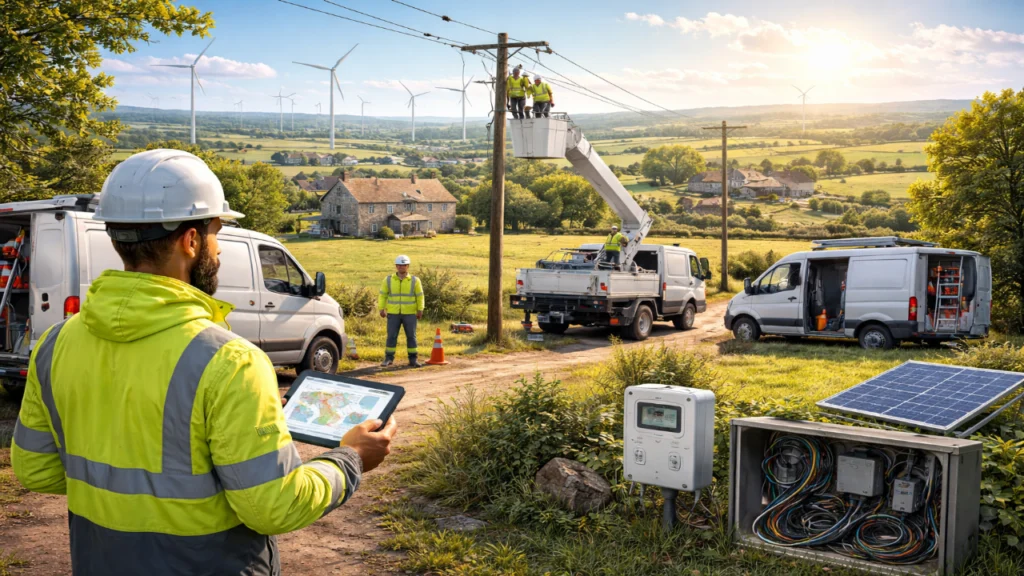
Introduction: Field Service Lightning for UK Utilities
The UK utilities sector is undergoing rapid transformation driven by regulatory pressure, customer expectations, and the shift toward digital-first operations. Energy providers, water companies, and gas distributors are all facing increasing demand for faster service delivery, improved asset management, and real-time visibility into field operations.
Field Service Lightning (FSL), a powerful solution for field service management, has emerged as a key enabler in this transformation. In 2026, utility companies are leveraging FSL not just for scheduling and dispatching but for building intelligent, predictive, and customer-centric service ecosystems.
This guide explores how UK utilities implement Field Service Lightning, along with its core capabilities, benefits, challenges, and best practices for success.
Table of Contents
What is Field Service Lightning?
Field Service Lightning is a platform for comprehensive field service management designed to optimize workforce productivity, streamline operations, and enhance customer experiences. It connects back-office systems with field technicians through real-time data, automation, and intelligent scheduling.
For UK utilities, FSL acts as a centralised system that manages everything from work order creation to technician dispatch, route optimisation, and service completion tracking.
Why UK Utilities Need Field Service Lightning in 2026
1. Rising Customer Expectations
Customers now expect real-time updates, faster service, and transparency. Missed appointments or delayed service can lead to dissatisfaction and regulatory penalties. FSL enables real-time communication and accurate scheduling to meet these expectations.
2. Regulatory Compliance
UK utility companies must adhere to strict compliance standards. FSL helps track service activities, maintain audit trails, and ensure that all field operations meet regulatory requirements.
3. Workforce Optimization
With ageing infrastructure and workforce shortages, utilities must maximise technician productivity. FSL uses AI-driven scheduling to assign the right job to the right technician at the right time.
4. Transition to Smart Infrastructure
Smart meters, IoT devices, and connected assets require intelligent service management. FSL integrates with these technologies to provide predictive maintenance and proactive service.
Key Features of Field Service Lightning for Utilities
Intelligent Scheduling and Dispatch
FSL uses advanced algorithms to optimize scheduling based on technician skills, availability, location, and job priority. Dispatchers can view real-time updates and make adjustments instantly.
Mobile Workforce Enablement
Technicians use mobile apps to access job details, customer history, and asset information. They can update job status, capture signatures, and even work offline in remote locations.
Work Order Management
From creation to completion, FSL manages the entire lifecycle of work orders. This includes assigning tasks, tracking progress, and ensuring timely closure.
Asset and Inventory Management
Utilities rely heavily on physical assets. FSL helps track asset performance, schedule maintenance, and manage inventory efficiently.
Real-Time Visibility
Managers gain full visibility into field operations through dashboards and analytics. This enables data-driven decision-making and performance monitoring.
AI and Predictive Maintenance
In 2026, AI capabilities allow utilities to predict equipment failures before they occur. This reduces downtime and prevents costly repairs.
Use Cases in UK Utilities
1. Smart Meter Installation
FSL streamlines scheduling and dispatch for smart meter installations. It ensures that technicians with the right skills are assigned and customers receive accurate time windows.
2. Emergency Repairs
For critical issues like power outages or water leaks, FSL prioritises emergency jobs and dispatches technicians immediately. Real-time updates keep customers informed.
3. Preventive Maintenance
Utilities use FSL to schedule regular maintenance tasks, reducing the risk of unexpected failures and extending asset lifespan.
4. Field Inspections
FSL efficiently manages regulatory inspections and safety checks, ensuring compliance and accurate reporting.
Benefits of Implementing Field Service Lightning
Improved Customer Satisfaction
Accurate scheduling, real-time updates, and faster service lead to better customer experiences.
Increased Operational Efficiency
Automation reduces manual work, while optimised routes and schedules improve productivity.
Cost Reduction
Efficient resource utilisation and predictive maintenance help lower operational expenses.
Enhanced Workforce Productivity
Technicians spend less time travelling and more time completing jobs.
Better Decision-Making
Analytics and reporting provide insights into performance, helping managers to make informed decisions.
Implementation Challenges
Data Integration
Utilities often have legacy systems that must be integrated with FSL. This process can be complex and time-consuming.
Change Management
Adopting a new system requires training and cultural change. Employees may resist new workflows.
Customization Needs
Utilities have unique requirements that may require customisation, increasing implementation time and costs.
Connectivity Issues
Field technicians may work in remote areas with limited connectivity. Offline capabilities must be properly configured.
Best Practices for Successful Implementation
Start with a Clear Strategy
Define goals, KPIs, and success metrics before implementation. Align FSL capabilities with business objectives.
Focus on Data Quality
Clean and accurate data is critical for effective scheduling and analytics.
Invest in Training
Provide comprehensive training for both dispatchers and field technicians to ensure smooth adoption.
Use Phased Implementation
Roll out FSL in phases, starting with a pilot project. This allows for testing and adjustments before full deployment.
Leverage AI and Automation
Take full advantage of AI features for scheduling, forecasting, and predictive maintenance.
Monitor and Optimize
Continuously track performance and make improvements based on insights and feedback.
The Future and Trends in Field Service for Utilities
AI-Driven Automation
AI will play an even bigger role in automating scheduling, predicting demand, and optimising resources.
Integration with IoT
Connected devices will provide real-time data, enabling proactive service and reducing downtime.
Augmented Reality (AR)
Technicians may use AR tools for remote assistance and training, improving efficiency and accuracy.
Sustainability Focus
Utilities will use FSL to optimize routes and reduce carbon emissions, supporting sustainability goals.
Conclusion
Field Service Lightning has become an essential tool for UK utilities in 2026. It enables organizations to modernise their operations, improve customer satisfaction, and stay compliant with regulatory requirements.
By using smart scheduling, real-time visibility, and AI-driven insights, utilities can turn their field service operations into a strategic advantage. While implementation may present challenges, following best practices and adopting a phased approach can ensure success.
As the utilities sector continues to evolve, Field Service Lightning will remain at the forefront of innovation, helping organizations deliver efficient, reliable, and customer-centric services in an increasingly digital world.