

Future of AI‑Driven Customer Success Management
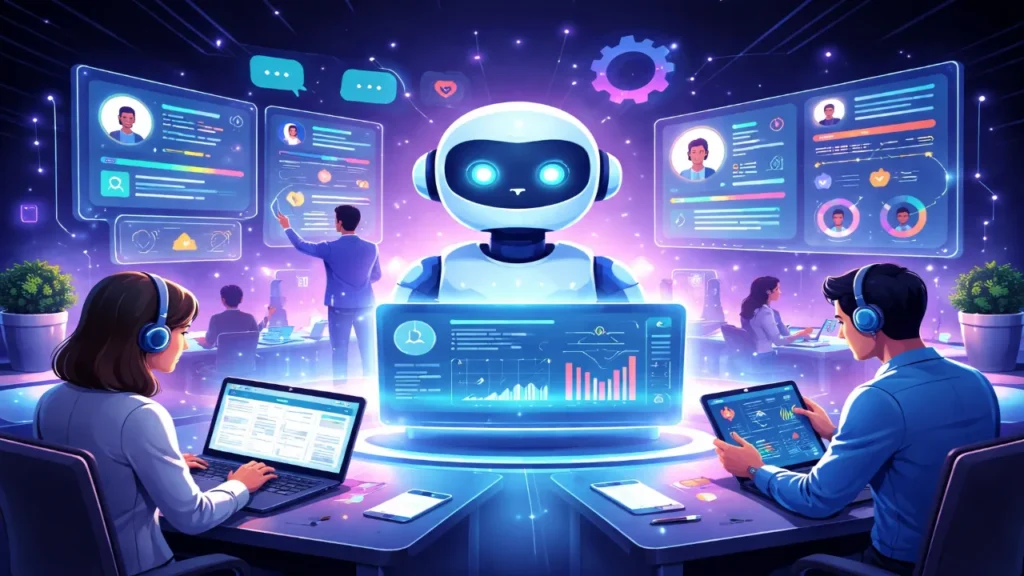
In today’s fast-paced business landscape, customer expectations are constantly day by day evolving. Companies are no longer judged solely on their products or services, but on the quality of their customer experience. This shift has propelled Customer Success Management (CSM) into the spotlight, with organizations investing heavily in strategies to ensure long-term customer satisfaction and retention. At the heart of this transformation lies Artificial Intelligence (AI), which is poised to redefine how companies interact with and support their clients.
Table of Contents
Understanding AI in Customer Success Management
AI in CSM involves leveraging machine learning, natural language processing, predictive analytics, and other intelligent technologies to enhance the customer journey. Unlike traditional approaches, which rely heavily on human intervention, AI systems can process vast amounts of data, detect patterns, and provide actionable insights in real time. This enables customer success teams to be proactive rather than reactive, anticipating issues before they escalate and personalizing experiences at scale.
Key Drivers of AI Adoption in Customer Success
Several factors are driving the integration of AI into customer success strategies:
- Data Complexity and Volume
Customers generate enormous amounts of data across multiple touchpoints, emails, support tickets, social media, and product usage logs. AI can analyze these datasets efficiently, providing insights that human teams might miss. This ensures that customer success managers have a holistic view of each customer’s journey. - Need for Proactive Engagement
Today’s customers expect timely support, often before they even recognize a problem. AI-powered predictive analytics can identify patterns indicating potential churn, dissatisfaction, or upsell opportunities, allowing teams to intervene before issues affect the customer relationship. - Scalability of Support
As companies grow, managing customer success manually becomes impractical. AI enables automation of routine tasks such as ticket triaging, follow-ups, and onboarding reminders. This allows human teams to focus on high-value interactions that require empathy and nuanced judgment.
Core Applications of AI in Customer Success
The integration of AI into CSM manifests across several key applications:
- Predictive Churn Analysis
AI algorithms can forecast which customers are at risk of leaving based on behavioral patterns and engagement metrics. Early identification enables successful managers to take corrective actions, such as offering personalized incentives or targeted support, significantly reducing churn rates. - Personalized Customer Journeys
AI tools can tailor recommendations, communication strategies, and content delivery to individual customer preferences. By analyzing past interactions and usage patterns, companies can deliver experiences that feel bespoke, increasing satisfaction and loyalty. - Intelligent Automation
Routine tasks like responding to FAQs, scheduling follow-ups, or updating CRM records can be automated using AI-powered chatbots and workflow systems. This reduces operational overhead and ensures that customers receive instant responses, even outside business hours. - Sentiment and Feedback Analysis
AI can analyze customer feedback from surveys, support interactions, and social media to gauge sentiment. This insight helps teams understand emotional drivers behind satisfaction or dissatisfaction, allowing more effective engagement strategies. - Revenue Optimization and Upselling
By analyzing customer behavior and product usage, AI can identify opportunities for upselling or cross-selling. Recommendations are backed by data, improving the likelihood of conversion while enhancing the customer experience.
Challenges in Implementing AI for Customer Success
Despite its potential, integrating AI into customer success comes with challenges:
- Data Quality and Integration: AI relies on clean, structured data. Many organizations struggle with siloed or incomplete datasets, which can compromise predictive accuracy.
- Human-AI Collaboration: Success managers need to understand how to interpret AI insights effectively. Overreliance on automation without human judgment can reduce personalization and empathy.
- Privacy and Compliance: Using AI to analyze customer data requires careful adherence to privacy regulations and ethical considerations, ensuring that customer trust is maintained.
- Change Management: Employees may resist adopting AI tools due to fear of job displacement or lack of technical knowledge. Proper training and clear communication about AI’s role as an augmenting tool are crucial.
The Evolving Role of Customer Success Managers
AI is not replacing human customer success managers; instead, it is reshaping their role. With AI handling repetitive tasks and providing predictive insights, managers can focus on strategic and relationship-driven activities. The future CSM will act more as a customer advocate and strategic partner, using AI-generated intelligence to make informed decisions and deliver exceptional experiences.
Trends Shaping AI in Customer Success
Several emerging trends suggest where AI-driven CSM is headed:
- Hyper-Personalization at Scale: As AI becomes more sophisticated, it will enable companies to create deeply individualized experiences for thousands of customers simultaneously.
- Real-Time Decision Support: AI systems will increasingly provide instant recommendations during customer interactions, helping success managers respond with precision and empathy.
- Integration with Product Development: Customer usage data analyzed by AI will influence product improvements, ensuring offerings align closely with user needs.
- AI-Enhanced Human Training: AI will also support internal training by providing insights into customer trends, enabling managers to upskill in areas that directly impact customer satisfaction.
- Proactive Customer Success Ecosystems: Companies will adopt AI to monitor health scores, engagement patterns, and risk factors continuously, creating a seamless, proactive approach to customer management.
Preparing for the AI-Driven Future
To leverage AI effectively in customer success, organizations should consider the following:
- Invest in Data Infrastructure: Ensure that customer data is centralized, accurate, and easily accessible for AI analysis.
- Adopt a Customer-Centric AI Strategy: Use AI to enhance, not replace, human interactions. The goal should be improved experience and loyalty, not just operational efficiency.
- Train Teams for AI Collaboration: Equip customer success teams with the skills to interpret AI insights, act on recommendations, and maintain human touchpoints.
- Focus on Continuous Improvement: AI systems learn and improve over time. Regularly evaluate performance and refine algorithms to align with evolving customer needs.
- Maintain Ethical Standards: Respect privacy, transparency, and fairness when applying AI to customer data. Trust is a critical component of long-term success.
Conclusion
The future of customer success management is undeniably AI-driven, but human judgment remains indispensable. Organizations that effectively integrate AI into their CSM strategy will enjoy enhanced customer loyalty, reduced churn, and more efficient operations. Predictive insights, automation, and hyper-personalization are no longer futuristic concepts—they are practical tools that redefine how companies understand and serve their customers. By balancing AI intelligence with human empathy, businesses can create a customer success framework that is proactive, scalable, and truly customer-centric.
The journey toward AI-driven customer success is not without its challenges, but the opportunities far outweigh the risks. Companies that embrace this transformation today will be the ones leading the market tomorrow, setting new standards for what it means to deliver exceptional customer experiences.